

Volume 12, Issue 3 (September 2025)
Avicenna J Neuro Psycho Physiology 2025, 12(3): 172-178 |
Back to browse issues page


Ethics code: IR.PNU.REC.1403.585


Download citation:
BibTeX | RIS | EndNote | Medlars | ProCite | Reference Manager | RefWorks
Send citation to:


BibTeX | RIS | EndNote | Medlars | ProCite | Reference Manager | RefWorks
Send citation to:
Ghaffari F, Rafieipour A, Rahmanian M, Moghanloo M, Arab Sheibani K. Effectiveness of Acceptance and Commitment Intervention on Stress, Anxiety, Depression, and Glycemic Control in Women with Type 2 Diabetes: A Quasi-Experimental Study. Avicenna J Neuro Psycho Physiology 2025; 12 (3) :172-178
URL: http://ajnpp.umsha.ac.ir/article-1-555-en.html
URL: http://ajnpp.umsha.ac.ir/article-1-555-en.html
Fariba Ghaffari1 

 , Amin Rafieipour1 , Mahdieh Rahmanian2 , Mahnaz Moghanloo1 , Khadijeh Arab Sheibani1
, Amin Rafieipour1 , Mahdieh Rahmanian2 , Mahnaz Moghanloo1 , Khadijeh Arab Sheibani1
1- Department of Psychology, Payame Noor University, Tehran, Iran
2- Department of Psychology, Payame Noor University, Tehran, Iran ,m.rahmanian@pnu.ac.ir
2- Department of Psychology, Payame Noor University, Tehran, Iran ,
Keywords: Acceptance and Commitment Therapy (ACT), Anxiety, Depression, Fasting Blood Sugar (FBS), Stress, Type 2 Diabetes
Full-Text [PDF 536 kb]
(133 Downloads)
| Abstract (HTML) (695 Views)
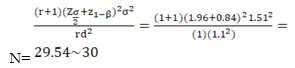
Table 1. Summary of educational content based on acceptance and commitment
Table 2. Mean and standard deviation of stress, anxiety, depression, and mean FBS in patients
Table 3. Results of ANCOVA for the effect of ACT-based intervention on dependent variables
Full-Text: (113 Views)
Background
The most prevalent type of diabetes is type 2, which has now turned into a health challenge [1, 2]. In 2021, it is estimated that 537 million people have diabetes, and this number is projected to reach 643 million by 2030 and 783 million by 2045 [3]. In addition to high mortality, diabetes is accompanied by many personal, family, and financial troubles [4]. Cases such as severe blood sugar increase and decrease, dietary and exercise restrictions, frequent insulin injections, musculoskeletal complications, physical disabilities, sexual disorders, vascular problems, stroke, renal disease, and lower-limb amputation are among the problems affecting the lives of such patients [5-8]. Therefore, it is vital to prevent these complications and control them [9]. Type 2 diabetes is controlled through a combination of two methods, i.e., non-medicinal treatment and medicinal treatment [10]. Currently, the medical approach is the most important for controlling type 2 diabetes. Despite having different types of drugs available for treating type 2 diabetes, controlling type 2 diabetes is still a major challenge for most countries [10]. In addition to physiological problems, diabetes also causes many psychological side effects [11]. In fact, a two-way relationship exists between diabetes and psychological complications, which can negatively affect self-care, treatment adherence, blood sugar control, and poor disease management in the patient [12]. Due to psychological problems in such patients, this group is meaningfully more likely to experience psychological disturbances, such as stress and anxiety [13], compared to other healthy individuals and experience poor quality of life. Following the development of these complications (psychological and physical), premature mortality in such people is high [14,15]. The results of studies indicated that despite the importance of medicinal therapy for this disease, drug regimen compliance is low among the patients and it is required to focus on psychological interventions besides medicinal interventions [16], since one of the critical activities in controlling diabetes is training programs, and different educational methods do not exert similar effects in diverse groups and individuals; therefore, it is necessary to measure their various effects [17]. One of the effective and well-known interventions for promoting psychological side effects in patients with chronic disease is Acceptance and Commitment Therapy (ACT) [18]. The implementation of ACT has indicated positive outcomes on a broad range of issues, including substance abuse, chronic pain, anxiety, and the ability to cope with depression, smoking cessation, prejudice, work stress, and obsession. The ACT focuses on acceptance of thoughts that emphasize values and clarity of personal goals [19,20]. The ACT includes various methods in the areas of acceptance, defusion, self-as-context and mindfulness, values clarification, and committed action related to those values. Regarding cognitive techniques, they focus on beliefs and spontaneous thoughts that play a role in cravings for substances [21]. Wang et al. (2024) reported ACT being effective in patients with type 2 diabetes [22]. Stefanescu et al. (2024) also reported that an ACT-based intervention was effective in controlling blood sugar in diabetic patients [23]. Shayeghian et al. (2016) indicated that applying this educational intervention was effective in women with type 2 diabetes [24].
Objectives
Moreover, Negan et al. (2023) supported that the ACT-based intervention was practical among type 2 diabetic patients [25]. Considering the importance of controlling stress, anxiety, depression, and glycemic control in patients with type 2 diabetes and a few studies have addressed the effectiveness of ACT on women with type 2 diabetes in the UAE, the present study was performed in response to the question as whether the ACT-based intervention is effective in stress, anxiety, depression, and glycemic control in the type 2 diabetic women aged 40-60.
Materials and Methods
Study Design and Participants
The present study followed the protocols of applied, quasi-experimental research conducted using a pretest–posttest control group design with a two-month follow-up period. The study population consisted of women diagnosed with type 2 diabetes mellitus who were living in Dubai, UAE, and referred to a diabetes clinic for routine care. A total of 30 eligible participants were selected through purposive sampling and subsequently randomly assigned to either the experimental group (n=15) or the control group (n=15). The inclusion criteria were age between 40 and 60 years, confirmed diagnosis of type 2 diabetes by a medical specialist, willingness to participate in the study and provision of written informed consent, as well as no participation in any psychological intervention during the study period.
The exclusion criteria included diagnosis or treatment of severe psychiatric disorders, presence of serious chronic comorbidities___such as cardiovascular diseases, cancer, or uncontrolled hypertension___substance or alcohol abuse, and absence from more than two intervention sessions.
Sample Size and Sampling Method
The sample size was calculated based on the results of a similar study [26, 27] and using Cohen's formula, considering a confidence level of 95%, a power of 80%, and a 10% dropout rate. The statistical sample, comprising 30 subjects, was selected from patients who met the inclusion criteria and were referred to the Dubai Diabetes Clinic. The sampling method was purposive, and the samples were randomly allocated to the experimental and control groups.
Objectives
Moreover, Negan et al. (2023) supported that the ACT-based intervention was practical among type 2 diabetic patients [25]. Considering the importance of controlling stress, anxiety, depression, and glycemic control in patients with type 2 diabetes and a few studies have addressed the effectiveness of ACT on women with type 2 diabetes in the UAE, the present study was performed in response to the question as whether the ACT-based intervention is effective in stress, anxiety, depression, and glycemic control in the type 2 diabetic women aged 40-60.
Materials and Methods
Study Design and Participants
The present study followed the protocols of applied, quasi-experimental research conducted using a pretest–posttest control group design with a two-month follow-up period. The study population consisted of women diagnosed with type 2 diabetes mellitus who were living in Dubai, UAE, and referred to a diabetes clinic for routine care. A total of 30 eligible participants were selected through purposive sampling and subsequently randomly assigned to either the experimental group (n=15) or the control group (n=15). The inclusion criteria were age between 40 and 60 years, confirmed diagnosis of type 2 diabetes by a medical specialist, willingness to participate in the study and provision of written informed consent, as well as no participation in any psychological intervention during the study period.
The exclusion criteria included diagnosis or treatment of severe psychiatric disorders, presence of serious chronic comorbidities___such as cardiovascular diseases, cancer, or uncontrolled hypertension___substance or alcohol abuse, and absence from more than two intervention sessions.
Sample Size and Sampling Method
The sample size was calculated based on the results of a similar study [26, 27] and using Cohen's formula, considering a confidence level of 95%, a power of 80%, and a 10% dropout rate. The statistical sample, comprising 30 subjects, was selected from patients who met the inclusion criteria and were referred to the Dubai Diabetes Clinic. The sampling method was purposive, and the samples were randomly allocated to the experimental and control groups.
Where:
r = n1/n2 - the ratio of sample size: 1
σ - Pooled standard deviation: 1.51
d - Difference of means of two groups: 1.1
Z1-β - 0.84 for power 0.80
Zα/2 -1.96 for alpha 0.05
Data Collection
During the data collection process, a Depression, Anxiety & Stress Scale (DASS-21) and a blood sugar test were used as well. To collect information in this study, the DASS-21 was used. This questionnaire consists of 21 items divided into three subscales of depression, anxiety, and stress. This tool was designed by Lovibond et al. (1993), and for each item, individuals should pick one of the four options: "Never," "To some degree," "Often," and "Almost always," each of which is scored from 0 to 3. The score of each subscale is calculated by summing the scores of its items, and using these scores, the individual’s level of depression, anxiety, and stress can be measured. This questionnaire has been utilized in many studies and has appropriate validity and reliability. Moya et al. (2022) analyzed this questionnaire in women with mental disorders in Malawi and reported that this questionnaire was approved with Cronbach's alpha=0.74 [28]. In Iran, Samani et al. (2007) examined the validity and reliability of the DASS-21, reporting reliability coefficients of 0.81, 0.78, and 0.80, respectively, and an overall scale coefficient of 0.82 [29]. In the study conducted by Kakemam et al. in Iran, Cronbach's alpha coefficients for anxiety (0.79), stress (0.91), and depression (0.93) were reported [30]. In this research, to apply this scale to the suffering population, the scale’s validity was first verified by experts, and its reliability was estimated using Cronbach's alpha coefficient of 0.75, which meets the required validity for this questionnaire.
Fasting Blood Sugar (FBS) in Women
The present study was carried out in a diabetes clinic, and all of the individuals referring to this clinic had diabetes (all of these patients had hemoglobin [HbA1c] above five, and the FBS test was routinely taken from them). Therefore, the researcher considered the blood sugar recorded in the patients' records as pre-intervention FBS. Subsequently, the researcher (a psychology student) working with the specialist at the clinic measured and recorded the FBS of these patients using a glucometer after the intervention. This blood sugar was considered the second-stage blood sugar.
Procedure
To conduct the current study, the letter of introduction was obtained, and the required permit was granted by the Research Ethics Committee of the Tehran Branch of Payam Noor University, Iran, with ethics code IR.PNU.REC.1403.585. Then, having gained the necessary permits from the university, the researcher visited the Diabetes Clinic, and after obtaining the written informed consent from the participants, the questionnaires of the pre-test stage were given to the women with type 2 diabetes who were presented with the information on completing the questionnaire, the study objective, and the exclusion conditions. In addition, the women were given the necessary time to complete the questionnaire, and a week later, the researcher collected the questionnaires by referring to the center. In the following, after assigning the intervention group and two months after the training interventions, the questionnaires of the post-test stage were collected again from the intervention and control groups.
Acceptance and Commitment Therapy (ACT)-Based Educational Intervention
The ACT-based educational program was developed according to the protocol proposed by Hayes and Strosahl (2004), as well as previous studies by Azizi et al. (2001) and Elahifar et al. (2018) [31-33]. The intervention content was reviewed and adapted by the first author, a health psychology student, under the supervision of academic advisors to ensure suitability for the target population. The intervention was delivered in a group format over eight 60-min sessions conducted within one month (two sessions per week). The program focused on core ACT processes, including acceptance, cognitive diffusion, mindfulness, self-as-context, values clarification, and committed action. A summary of the session content is presented in Table 1.
r = n1/n2 - the ratio of sample size: 1
σ - Pooled standard deviation: 1.51
d - Difference of means of two groups: 1.1
Z1-β - 0.84 for power 0.80
Zα/2 -1.96 for alpha 0.05
Data Collection
During the data collection process, a Depression, Anxiety & Stress Scale (DASS-21) and a blood sugar test were used as well. To collect information in this study, the DASS-21 was used. This questionnaire consists of 21 items divided into three subscales of depression, anxiety, and stress. This tool was designed by Lovibond et al. (1993), and for each item, individuals should pick one of the four options: "Never," "To some degree," "Often," and "Almost always," each of which is scored from 0 to 3. The score of each subscale is calculated by summing the scores of its items, and using these scores, the individual’s level of depression, anxiety, and stress can be measured. This questionnaire has been utilized in many studies and has appropriate validity and reliability. Moya et al. (2022) analyzed this questionnaire in women with mental disorders in Malawi and reported that this questionnaire was approved with Cronbach's alpha=0.74 [28]. In Iran, Samani et al. (2007) examined the validity and reliability of the DASS-21, reporting reliability coefficients of 0.81, 0.78, and 0.80, respectively, and an overall scale coefficient of 0.82 [29]. In the study conducted by Kakemam et al. in Iran, Cronbach's alpha coefficients for anxiety (0.79), stress (0.91), and depression (0.93) were reported [30]. In this research, to apply this scale to the suffering population, the scale’s validity was first verified by experts, and its reliability was estimated using Cronbach's alpha coefficient of 0.75, which meets the required validity for this questionnaire.
Fasting Blood Sugar (FBS) in Women
The present study was carried out in a diabetes clinic, and all of the individuals referring to this clinic had diabetes (all of these patients had hemoglobin [HbA1c] above five, and the FBS test was routinely taken from them). Therefore, the researcher considered the blood sugar recorded in the patients' records as pre-intervention FBS. Subsequently, the researcher (a psychology student) working with the specialist at the clinic measured and recorded the FBS of these patients using a glucometer after the intervention. This blood sugar was considered the second-stage blood sugar.
Procedure
To conduct the current study, the letter of introduction was obtained, and the required permit was granted by the Research Ethics Committee of the Tehran Branch of Payam Noor University, Iran, with ethics code IR.PNU.REC.1403.585. Then, having gained the necessary permits from the university, the researcher visited the Diabetes Clinic, and after obtaining the written informed consent from the participants, the questionnaires of the pre-test stage were given to the women with type 2 diabetes who were presented with the information on completing the questionnaire, the study objective, and the exclusion conditions. In addition, the women were given the necessary time to complete the questionnaire, and a week later, the researcher collected the questionnaires by referring to the center. In the following, after assigning the intervention group and two months after the training interventions, the questionnaires of the post-test stage were collected again from the intervention and control groups.
Acceptance and Commitment Therapy (ACT)-Based Educational Intervention
The ACT-based educational program was developed according to the protocol proposed by Hayes and Strosahl (2004), as well as previous studies by Azizi et al. (2001) and Elahifar et al. (2018) [31-33]. The intervention content was reviewed and adapted by the first author, a health psychology student, under the supervision of academic advisors to ensure suitability for the target population. The intervention was delivered in a group format over eight 60-min sessions conducted within one month (two sessions per week). The program focused on core ACT processes, including acceptance, cognitive diffusion, mindfulness, self-as-context, values clarification, and committed action. A summary of the session content is presented in Table 1.
Table 1. Summary of educational content based on acceptance and commitment
| Session | Content |
| 1st | Welcoming and communicating and getting to know the group members. Discussing the limits of confidentiality, introducing the therapy. Stating the group rules and regulations and the therapy sessions, running the pre-test |
| 2nd | Stating the reason for the requirement of psychological interventions, building hope and expecting the therapy to alleviate this pressure, accepting and recognizing the feelings and thoughts surrounding the problems, raising awareness that thoughts should be accepted as thoughts and feelings as feelings. Giving an assignment on accepting oneself and the illness-induced feelings |
| 3rd | Reviewing the previous session experiences, discoing the training group members’ feelings and thoughts. Introducing the concept of accepting one's own thoughts and feelings without any prejudice. Discussing the concept of emotion and awareness of their difference from thoughts and feelings. Givng an assignment on the level of acceptance of oneself and one's own feelings, as well as the acceptance of others and their feelings |
| 4th | Giving feedback about the previous session. Teaching mindfulness techniques and focusing on breathing, teaching the technique of being present at the moment and quitting thinking, giving assignments to look at life events differently and take the disease as just a disease and nothing more |
| 5th | Reviewing home assignment, applying mindfulness techniques, and perceiving that this technique can help them to consciously be surrounded by their feelings in every moment and witness them with no judgment |
| 6th | Evaluating performance, asking the members to express their feelings and emotions. Getting familiar with the concept of the behavioral commitment theory and its necessity in the training and treatment process besides getting familiar with the selective attention theory for greater relaxation during the onslaught of negative thoughts |
| 7th | Reviewing the assignments of the previous session, examining unresolved issues and ambiguities among the members, training the concept of value, and identifying life practical values and establishing commitment to put them into practice |
| 8th | Giving feedback, reviewing the assignments, reviewing and summarizing the material, appreciating the members for their participation in the sessions, and implementing the post-tests |
Data Analysis
The data was analyzed by the SPSS (version 27) software. Mean, standard deviation, and frequency indices were employed to describe the data. For data analysis, independent samples T-test and ANCOVA were utilized. Moreover, the significance level for all tests was set at 0.05.
Results
A total of 30 women with type 2 diabetes participated in the study. Descriptive statistics, including means and standard deviations of depression, anxiety, stress, and FBS at pretest, posttest, and follow-up stages, are presented in Table 1. Independent samples comparisons indicated no statistically significant differences between the experimental and control groups at the pretest stage (P>0.05). However, significant differences were observed between the two groups at the posttest and follow-up stages (P<0.05), with lower mean scores of depression, anxiety, stress, and FBS in the experimental group.
Analysis of covariance (ANCOVA) was conducted to examine the effects of the ACT intervention while controlling for pretest scores. Assumptions of normality (Kolmogorov–Smirnov test), homogeneity of variances (Levene’s test), and equality of covariance matrices (Box’s M test) were satisfied (P>0.05). The ANCOVA results demonstrated a significant effect of the ACT intervention on FBS, F (1, 27)=37.10, P<0.001, η²=0.49. Significant effects were also found for depression, F (1, 27)=59.61, P<0.001, η²=0.51; anxiety, F (1, 27)=17.25, P<0.001, η²=0.40; and stress, F (1, 27)=56.61, P<0.001, η²=0.51 (Table 2). These findings indicate that ACT intervention training significantly reduced psychological distress and improved glycemic control in women with type 2 diabetes.
The data was analyzed by the SPSS (version 27) software. Mean, standard deviation, and frequency indices were employed to describe the data. For data analysis, independent samples T-test and ANCOVA were utilized. Moreover, the significance level for all tests was set at 0.05.
Results
A total of 30 women with type 2 diabetes participated in the study. Descriptive statistics, including means and standard deviations of depression, anxiety, stress, and FBS at pretest, posttest, and follow-up stages, are presented in Table 1. Independent samples comparisons indicated no statistically significant differences between the experimental and control groups at the pretest stage (P>0.05). However, significant differences were observed between the two groups at the posttest and follow-up stages (P<0.05), with lower mean scores of depression, anxiety, stress, and FBS in the experimental group.
Analysis of covariance (ANCOVA) was conducted to examine the effects of the ACT intervention while controlling for pretest scores. Assumptions of normality (Kolmogorov–Smirnov test), homogeneity of variances (Levene’s test), and equality of covariance matrices (Box’s M test) were satisfied (P>0.05). The ANCOVA results demonstrated a significant effect of the ACT intervention on FBS, F (1, 27)=37.10, P<0.001, η²=0.49. Significant effects were also found for depression, F (1, 27)=59.61, P<0.001, η²=0.51; anxiety, F (1, 27)=17.25, P<0.001, η²=0.40; and stress, F (1, 27)=56.61, P<0.001, η²=0.51 (Table 2). These findings indicate that ACT intervention training significantly reduced psychological distress and improved glycemic control in women with type 2 diabetes.
Table 2. Mean and standard deviation of stress, anxiety, depression, and mean FBS in patients
| Variable | Pre-test | Post-test | Follow-up | ||||||
| Test Group | Control Group | Sig. | Test Group | Control Group | Sig. | Test Group | Control Group | Sig. | |
| Depression | 21.24±2.95 | 22.31±2.70 | 0.245 | 18.31±2.79 | 22.93±2.33 | 0.001 | 16.25±1.09 | 22.60±1.09 | 0.001 |
| Anxiety | 21.66±2.16 | 22.13±2.72 | 0.124 | 17±2.69 | 22.73±2.47 | 0.001 | 21.33±3.87 | 21.33±3.87 | 0.001 |
| Stress | 23.36±2.24 | 23.91±2.37 | 0.641 | 18±3.17 | 22.20±2.73 | 0.001 | 23.60±1.31 | 23.60±1.31 | 0.001 |
| FBS | 191.93±3.38 | 194.20±25.77 | 0.648 | 191.86±16.63 | 195.93±21.38 | 0.001 | 195.40±24.72 | 195.40±24.72 | 0.001 |
Table 3. Results of ANCOVA for the effect of ACT-based intervention on dependent variables
| Variable | Source of Variation | Sum of Squares | Degrees of Freedom | Sum of Squares | F | Sig. | ⴄ2 |
| Mean FBS | Group | 254.136 | 1 | 254.136 | 37.101 | 0.001 | 0.491 |
| Pre-test | 87.68 | 2 | 87.68 | 23.33 | 0.001 | 0.512 | |
| Error | 146.95 | - | 146.95 | - | - | - | |
| Stress | Group | 784.1321 | 1 | 784.132 | 56.61 | 0.001 | 0.508 |
| Pre-test | 227.315 | 2 | 227.315 | 26.51 | 0.001 | 0.571 | |
| Error | 315.568 | - | 315.658 | - | - | - | |
| Anxiety | Group | 1746.514 | 1 | 1746.514 | 17.250 | 0.001 | 0.400 |
| Pre-test | 142.33 | 2 | 142.33 | 14.163 | 0.001 | 0.567 | |
| Error | 549.987 | - | 549.987 | - | - | - | |
| Depression | Group | 784.132 | 1 | 784.132 | 59.61 | 0.001 | 0.508 |
| Pre-test | 954.214 | 2 | 954.214 | 74.03 | 0.001 | 0.390 | |
| Error | 321.115 | - | 321.115 | - | - | - |
Discussion
The present work was performed to identify the effectiveness of ACT on stress, anxiety, depression, and glycemic control in women with type 2 diabetes. The results revealed a positive impact of the ACT on stress, anxiety, depression, and glycemic control in women with type 2 diabetes.
Following the findings of this research, the ACT intervention was effective in improving FBS index in the suffering women; this finding, which was consistent with the results of previous studies, including those conducted by Eisazadeh et al. (2024), Shahnavazi et al. (2022), and Rashidi et al. (2021) [34-36]. To elaborate on this finding, it can be said that, in this study, the ACT-focused training focused on accepting or being willing to accept and maintain one's mood of happiness when exposed to disturbing events, and on being unwilling to control it. Regarding the suffering from type 2 diabetes, the women were told to accept their disease without the desire to control it and not let this disease overcome them and cultivate a sense of happiness in themselves, and then in the second stage, start acting based on commitment, exercise regularly and check blood sugar, take self-care and take medications under the supervision of a specialist.
The results demonstrated that the ACT intervention led to a meaningful decrease in the mean score of depression, anxiety, and stress in the intervention group compared to the control group. This finding was consistent with the results of the studies performed by Batool et al. (2025), Roja et al. (2023), Lotfi et al. (2022), Goharshahi et al. (2024), and NejadKazemfard et al. (2021) [37-41]. In the current study, based on the ACT intervention, efforts were made to increase individuals' psychological acceptance of mental experiences and, in turn, reduce ineffective attempts to control conditions (integrating acceptance and commitment training). In the second stage, psychological awareness was introduced to the patients (the more aware a patient is about a subject, the less emotionally they will react to it). In this stage, first the patients were asked to rate their levels of depression, anxiety, and stress, and to state the reasons for these scores as well. They were required to identify their problems and their coping strategies. This strategy increased their self-esteem and psychological competence. Then, the patient was trained that depression, anxiety, and stress were due to this disease and that the patient should accept that this disease exists with them. Therefore, all mental states, such as depression, anxiety, and stress, are normal, and they are obliged to accept them. In the third stage, the patient was educated to distance themselves from mental experiences as much as possible and replace them with positive experiences so that they could act independently of chaotic mental experiences. In the fourth stage, pursuant to the ACT-based training, the patient was educated to focus on their own emotions, accept their anxiety and focus on it, accept stress and recognize its cause, and accept their depression and focus on it. Then, they were required to write down their reasons at home. In the next training session, the patients were asked to count their reasons, and the researcher then focused on the patients' reasons during the training process. In this research, efforts were made not to consider any reason for the patients' anxiety as unimportant. Based on all patients’ opinions, the reasons expressed by each patient were scored, and, finally, the reasons and their solutions were prioritized. In the fifth stage, consistent with the ACT-based training, attempts were made to train the patient to commit to the solutions identified in the previous stages in order to reduce depression, anxiety, and stress. Therefore, it is noteworthy that the ACT-based training leads to relieving depression, anxiety, and stress.
Limitations
Like other similar studies, this research has its own limitations, including intensive, short-term intervention sessions and short-term follow-up to assess the effect of the implemented educational program. Another limitation is the small sample size, which is not possible for this particular study due to time and resource constraints. Therefore, it is suggested to conduct this study using a larger sample size in the future. The limited age group was another limitation, and given the criticality of this disease, it is proposed to extend it to other age groups as well. Collecting information through a questionnaire was another limitation in this study, which may have limited the results by not accounting for individual variations in responses. Therefore, addressing these limitations in future studies would help us to better understand the potential of this educational intervention in patient care. In addition, the last limitation of this study was that patients with type 2 diabetes were under the supervision of a specialist and may also be consulted through their treating specialist and other medical centers, which might not provide an accurate estimate of the information obtained. In any case, this is a limitation that was beyond the control of the study authors, and it is better to consider this matter in future studies through the consulting specialists’ discretion and, if necessary, it should be arranged with the specialists or they need to be required to provide consultations during the study compatible with the interventions for the patients.
Conclusions
The results revealed that the ACT was effective in the women and reduced the mean FBS, relieved depression, anxiety, and stress. The present study identified findings that emphasize the importance of continuing education for health care professionals, particularly psychologists, to improve patient interactions and psychological health outcomes, provide practical recommendations for successful follow-up, and promote patients’ psychological health.
Ethical Considerations
Following the principles of research ethics, this work was derived from the PhD dissertation of the first author in health psychology at Payam Noor University, the International Branch, Tehran, Iran, with the ethics code IR.PNU.REC.1403.585. To observe the ethical principles in this study, data were collected when participants provided informed consent. The participants were also assured of the confidentiality of their personal information and that the results would be presented without mentioning the names or identification details of the individuals.
Sponsorship
This research is in the form of a PhD dissertation with no financial support.
Authors’ Contributions
This work was extracted from the PhD dissertation of the first author, was guided by the second and third authors, and was advised by the fourth and fifth authors.
Conflicts of Interests
The authors declared that there are no conflict of interests.
Acknowledgments
We would like to sincerely thank the guides and advisors, as well as the participating women, for their contributions to this study.
The present work was performed to identify the effectiveness of ACT on stress, anxiety, depression, and glycemic control in women with type 2 diabetes. The results revealed a positive impact of the ACT on stress, anxiety, depression, and glycemic control in women with type 2 diabetes.
Following the findings of this research, the ACT intervention was effective in improving FBS index in the suffering women; this finding, which was consistent with the results of previous studies, including those conducted by Eisazadeh et al. (2024), Shahnavazi et al. (2022), and Rashidi et al. (2021) [34-36]. To elaborate on this finding, it can be said that, in this study, the ACT-focused training focused on accepting or being willing to accept and maintain one's mood of happiness when exposed to disturbing events, and on being unwilling to control it. Regarding the suffering from type 2 diabetes, the women were told to accept their disease without the desire to control it and not let this disease overcome them and cultivate a sense of happiness in themselves, and then in the second stage, start acting based on commitment, exercise regularly and check blood sugar, take self-care and take medications under the supervision of a specialist.
The results demonstrated that the ACT intervention led to a meaningful decrease in the mean score of depression, anxiety, and stress in the intervention group compared to the control group. This finding was consistent with the results of the studies performed by Batool et al. (2025), Roja et al. (2023), Lotfi et al. (2022), Goharshahi et al. (2024), and NejadKazemfard et al. (2021) [37-41]. In the current study, based on the ACT intervention, efforts were made to increase individuals' psychological acceptance of mental experiences and, in turn, reduce ineffective attempts to control conditions (integrating acceptance and commitment training). In the second stage, psychological awareness was introduced to the patients (the more aware a patient is about a subject, the less emotionally they will react to it). In this stage, first the patients were asked to rate their levels of depression, anxiety, and stress, and to state the reasons for these scores as well. They were required to identify their problems and their coping strategies. This strategy increased their self-esteem and psychological competence. Then, the patient was trained that depression, anxiety, and stress were due to this disease and that the patient should accept that this disease exists with them. Therefore, all mental states, such as depression, anxiety, and stress, are normal, and they are obliged to accept them. In the third stage, the patient was educated to distance themselves from mental experiences as much as possible and replace them with positive experiences so that they could act independently of chaotic mental experiences. In the fourth stage, pursuant to the ACT-based training, the patient was educated to focus on their own emotions, accept their anxiety and focus on it, accept stress and recognize its cause, and accept their depression and focus on it. Then, they were required to write down their reasons at home. In the next training session, the patients were asked to count their reasons, and the researcher then focused on the patients' reasons during the training process. In this research, efforts were made not to consider any reason for the patients' anxiety as unimportant. Based on all patients’ opinions, the reasons expressed by each patient were scored, and, finally, the reasons and their solutions were prioritized. In the fifth stage, consistent with the ACT-based training, attempts were made to train the patient to commit to the solutions identified in the previous stages in order to reduce depression, anxiety, and stress. Therefore, it is noteworthy that the ACT-based training leads to relieving depression, anxiety, and stress.
Limitations
Like other similar studies, this research has its own limitations, including intensive, short-term intervention sessions and short-term follow-up to assess the effect of the implemented educational program. Another limitation is the small sample size, which is not possible for this particular study due to time and resource constraints. Therefore, it is suggested to conduct this study using a larger sample size in the future. The limited age group was another limitation, and given the criticality of this disease, it is proposed to extend it to other age groups as well. Collecting information through a questionnaire was another limitation in this study, which may have limited the results by not accounting for individual variations in responses. Therefore, addressing these limitations in future studies would help us to better understand the potential of this educational intervention in patient care. In addition, the last limitation of this study was that patients with type 2 diabetes were under the supervision of a specialist and may also be consulted through their treating specialist and other medical centers, which might not provide an accurate estimate of the information obtained. In any case, this is a limitation that was beyond the control of the study authors, and it is better to consider this matter in future studies through the consulting specialists’ discretion and, if necessary, it should be arranged with the specialists or they need to be required to provide consultations during the study compatible with the interventions for the patients.
Conclusions
The results revealed that the ACT was effective in the women and reduced the mean FBS, relieved depression, anxiety, and stress. The present study identified findings that emphasize the importance of continuing education for health care professionals, particularly psychologists, to improve patient interactions and psychological health outcomes, provide practical recommendations for successful follow-up, and promote patients’ psychological health.
Ethical Considerations
Following the principles of research ethics, this work was derived from the PhD dissertation of the first author in health psychology at Payam Noor University, the International Branch, Tehran, Iran, with the ethics code IR.PNU.REC.1403.585. To observe the ethical principles in this study, data were collected when participants provided informed consent. The participants were also assured of the confidentiality of their personal information and that the results would be presented without mentioning the names or identification details of the individuals.
Sponsorship
This research is in the form of a PhD dissertation with no financial support.
Authors’ Contributions
This work was extracted from the PhD dissertation of the first author, was guided by the second and third authors, and was advised by the fourth and fifth authors.
Conflicts of Interests
The authors declared that there are no conflict of interests.
Acknowledgments
We would like to sincerely thank the guides and advisors, as well as the participating women, for their contributions to this study.
References
- Akhtar S, Nasir JA, Ali A, Asghar M, Majeed R, Sarwar A. Prevalence of type-2 diabetes and prediabetes in malaysia: a systematic review and meta-analysis. PloS one. 2022;17(1):e0263139. [DOI: 10.1371/journal.pone.0263139] [PMID] [PMCID]
- Reji S, Sankaraeswaran M, Ulagamathesan V, Wesley H, Ramesh G, Srinivasan S, et al. Cohort prevalence of young-onset type 2 diabetes in South Asia: A systematic review. Diabetes Res Clin Pract. 2025;221:112013. [DOI: 10.1016/j.diabres.2025.112013.] [PMID]
- International diabetes federation. IDF Diabetes Atlas 10th Edition. 2021. [Link]
- Lim LL, Jones S, Cikomola JC, Hivert MF, Misra S. Understanding the drivers and consequences of early-onset type 2 diabetes. Lancet. 2025;405(10497):2327-40. [DOI: 10.1016/S0140-6736(25)01012-8.] [PMID]
- Akyirem S, Ekpor E, Abwoye DN, Batten J, Nelson LE. Type 2 diabetes stigma and its association with clinical, psychological, and behavioral outcomes: a systematic review and meta-analysis. Diabetes Res Clin Pract. 2023;202:110774. [DOI: 10.1016/j.diabres.2023.110774] [PMID]
- Sanches JM, Zhao LN, Salehi A, Wollheim CB, Kaldis P. Pathophysiology of type 2 diabetes and the impact of altered metabolic interorgan crosstalk. FEBS J. 2023;290(3):620-48. [DOI: 10.1111/febs.16306.] [PMID]
- Crandall JP, Dabelea D, Knowler WC, Nathan DM, Temprosa M. The diabetes prevention program and its outcomes study: NIDDK’s journey into the prevention of type 2 diabetes and its public health impact. Diabetes Care. 2025;48(7):1101-11. [DOI: 10.2337/dc25-0014.] [PMID] [PMCID]
- Młynarska E, Czarnik W, Dzieża N, Jędraszak W, Majchrowicz G, Prusinowski F, et al. Type 2 diabetes mellitus: new pathogenetic mechanisms, treatment and the most important complications. Int J Mol Sci. 2025;26(3):1094. [DOI: 10.3390/ijms26031094.] [PMID] [PMCID]
- Khunti K, Zaccardi F, Amod A, Aroda VR, Aschner P, Colagiuri S, et al. Glycaemic control is still central in the hierarchy of priorities in type 2 diabetes management. Diabetologia. 2025;68(1):17-28. [DOI: 10.1007/s00125-024-06254-w. ][PMID][PMCID]
- Nyenwe EA, Jerkins TW, Umpierrez GE, Kitabchi AE. Management of type 2 diabetes: evolving strategies for the treatment of patients with type 2 diabetes. Metabolism. 2011;60(1):1-23. [DOI: 10.1016/j.metabol.2010.09.010. ] [PMID][PMCID]
- Abbas Q, Latif S, Ayaz Habib H, Shahzad S, Sarwar U, Shahzadi M, et al. Cognitive behavior therapy for diabetes distress, depression, health anxiety, quality of life and treatment adherence among patients with type-II diabetes mellitus: a randomized control trial. BMC Psychiatry. 2023;23(1):86. [DOI: 10.1186/s12888-023-04546-w] [PMID] [PMCID]
- Almomani MH, Al-Tawalbeh S. Glycemic control and its relationship with diabetes self-care behaviors among patients with type 2 diabetes in Northern Jordan: a cross-sectional study. Patient Prefer Adherence. 2022:449-65. [DOI: 10.2147/PPA.S343214.] [PMID] [PMCID]
- Liu S, Leone M, Ludvigsson JF, Lichtenstein P, Gudbjoernsdottir S, Landen M, et al. Early-onset type 2 diabetes and mood, anxiety, and stress-related disorders: a genetically informative register-based cohort study. Diabetes Care. 2022;45(12):2950-6. [DOI: 10.2337/dc22-1053.] [PMID][PMCID]
- McInerney AM, Lindekilde N, Nouwen A, Schmitz N, Deschênes SS. Diabetes distress, depressive symptoms, and anxiety symptoms in people with type 2 diabetes: a network analysis approach to understanding comorbidity. Diabetes Care. 2022;45(8):1715-23. [DOI: 10.2337/dc21-2297.][PMID]
- Borovcanin MM, Vesic K, Petrovic I, Jovanovic IP, Mijailović NR. Diabetes mellitus type 2 as an underlying, comorbid or consequent state of mental disorders. World J Diabetes. 2023;14(5):481-93.[DOI: 10.4239/wjd.v14.i5.481] [PMID] [PMCID]
- Franquez RT, de Souza IM, Bergamaschi CD. Interventions for depression and anxiety among people with diabetes mellitus: review of systematic reviews. PLoS One. 2023;18(2):e0281376. [DOI: 10.1371/journal.pone.0281376.] [PMID] [PMCID]
- Wan Rohimi WNLH, Mohd Tahir NA. The cost-effectiveness of different types of educational interventions in type II diabetes mellitus: a systematic review. Front Pharmacol. 2022;13:953341. [DOI: 10.3389/fphar.2022.953341.][PMID] [PMCID]
- Sakamoto R, Ohtake Y, Kataoka Y, Matsuda Y, Hata T, Otonari J, et al. Efficacy of acceptance and commitment therapy for people with type 2 diabetes: systematic review and meta‐analysis. J Diabetes Investig. 2022;13(2):262-70. [DOI: 10.1111/jdi.13658] [PMID][PMCID]
- Adler A, Sinai D, Hamiel D. Third-wave CBT online intervention for older adults inspired by ACT principles: an evaluation of feasibility and preliminary effectiveness in adults age 75 and older. Clin Gerontol. 2025;48(4):633-43. [DOI: 10.1080/07317115.2024.2446460][PMID]
- Ong CW, Ciarrochi J, Hofmann SG, Karekla M, Hayes SC. Through the extended evolutionary meta-model, and what ACT found there: ACT as a process-based therapy. J Contextual Behav Sci. 2024;32:100734. [DOI: 10.1016/j.jcbs.2024.100734.] [PMID] [PMCID]
- Safren SA, Gonzalez JS, Wexler DJ, Psaros C, Delahanty LM, Blashill AJ, et al. A randomized controlled trial of cognitive behavioral therapy for adherence and depression (CBT-AD) in patients with uncontrolled type 2 diabetes. Diabetes Care. 2014;37(3):625-33. [DOI: 10.2337/dc13-0816.][PMID] [PMCID]
- 22.Wang M, Liu Q, Zhu Z, Guo X, Hu X, Cheng L. Effectiveness of acceptance and commitment intervention in people with type 2 diabetes mellitus: a systematic review and meta‐analysis. Worldviews Evid Based Nurs. 2024;21(4):454-66. [DOI: 10.1111/wvn.12719] [PMID]
- Khosravani E, Sanagou G, Shirazi M, Rezaei M. Effectiveness of acceptance and commitment therapy on stress, cognitive-attentional syndrome, and blood sugar indices in patients with Type II Diabetes. Jundishapur J Chronic Dis Care. 2022;11(2):e120697. [DOI: 10.5812/jjcdc-120697]
- Shayeghian Z, Hassanabadi H, Aguilar-Vafaie ME, Amiri P, Besharat MA. A randomized controlled trial of acceptance and commitment therapy for type 2 diabetes management: the moderating role of coping styles. PloS one. 2016;11(12):e0166599. [DOI: 10.1371/journal.pone.0166599.] [PMID] [PMCID]
- 25. Ngan HY, Chong YY, Loo KM, Chien WT. Preliminary efficacy of an acceptance-based diabetes education (ACT-DE) programme for people with type 2 diabetes on diabetes distress and self-care behaviors: a pilot randomized controlled trial. J Contextual Behav Sci. 2023;30:50-60. [DOI: 10.1016/j.jcbs.2023.09.002]
- Abbasi Asl M, Rahmati-Najarkolae F, Dowran B. Comparison of the effectiveness of acceptance and commitment therapy (ACT) and cognitive-behavioral therapy (CBT) on psychological hardiness, caring behavior and coping strategies in patients with type 2 diabetes. J Military Med. 2022;22(10):1073-83. [DOI: 10.30491/JMM.22.10.1073]
- Hakimian MM, Sedrpoushan N, Shahreza FA. Effectiveness of acceptance and commitment based group therapy with the islamic approach on diabetes control and increasing self-care behaviors in patients with type II Diabetes in Yazd province. Iran J Diabetes Obesity 2023;15(4):261. [DOI: 10.18502/ijdo.v15i4.14559]
- Moya E, Larson LM, Stewart RC, Fisher J, Mwangi MN, Phiri KS. Reliability and validity of depression anxiety stress scale (DASS)-21 in screening for common mental disorders among postpartum women in Malawi. BMC psychiatry. 2022;22(1):352. [DOI: 10.1186/s12888-022-03994-0.] [PMID] [PMCID]
- Samani S, Jokar B. Evaluation of the reliability and validity of the short form of the depression, anxiety and psychological stress scale. Soc Human Sci Shiraz Univ. 2007;26(3):65-76.[Persian] [Link]
- Kakemam E, Navvabi E, Albelbeisi AH, Saeedikia F, Rouhi A, Majidi S. Psychometric properties of the Persian version of depression anxiety stress scale-21 items (DASS-21) in a sample of health professionals: a cross-sectional study. BMC Health Serv Res. 2022;22(1):111. [DOI: 10.1186/s12913-022-07514-4.] [PMID] [PMCID]
- Hayes SC, Strosahl KD, Strosahl K, editors. A practical guide to acceptance and commitment intervention. Springer Sci Business Media. 2004. [Link]
- Azizi A, Farhangi A, Hosseinpour R. Comparison of the effectiveness of acceptance and commitment intervention and mindfulness-based stress reduction therapy on academic belief, emotional regulation, and academic adjustment. Psychol Achievements. 2023;30(1):261-84. [DOI: 10.22055/psy.2022.40739.2844]
- Elahifar H, Ghamari M, Zahrakar K. Comparison of the effectiveness between treatment based on improving quality of life and acceptance and commitment intervention (ACT) on increasing happines of female teachers. Quarterly Appl Psychol. 2019;13(1):141-62. [Persian] [DOI: 10.29252/apsy.13.1.141]
- Eisazadeh F, Saffarinia M, Aliakbari Dehkordi M, Alipour A. Comparison of the effectiveness of acceptance-commitment therapy and mindfulness therapy on improving blood sugar control and weight control in people with Diabetes II. Iran J Health Psychol. 2024;7(2):21-32. [DOI: 10.30473/ijohp.2024.66086.1280]
- Shahnavazi A, Sedaghat M, Sabet M. Effectiveness of acceptance and commitment intervention intervention on healthy lifestyle and self-care indicators in type 2 diabetic patients. Hormozgan Med J. 2022;26(4):218-22. [DOI: 10.34172/hmj.2022.38]
- Rashidi A, Whitehead L, Newson L, Astin F, Gill P, Lane DA, et al. The role of acceptance and commitment therapy in cardiovascular and diabetes healthcare: a scoping review. Int J Environ Res Public Health. 2021;18(15):8126. [DOI: 10.3390/ijerph18158126.] [PMID] [PMCID]
- Batool F, Mubashir AS. Effectiveness of acceptance and commitment therapy for type 2 diabetes. a systematic review. Pakistan J Med Card Rev. 2025;4(3):622-38. [DOI: 10.64105/dtw9qw89]
- Roja B, Mahboubeh C, Davod J. The comparison effectiveness of emotion-focused therapy and acceptance and commitment intervention on emotional self-regulation and diabetes management self efficacy in women with Type II diabetes. J Diabetes Nurs. 2023;11(2):2142-59. [Link]
- Lotfi F, Nakhostin Goldoost A, Mousazadeh T, Kazemi R. The effectiveness of acceptance and commitment group therapy on cognitive fusion and health locus of control in patients with type 2 diabetes. EBNESINA. 2022;24(1):16-25. [DOI: 10.22034/24.1.16]
- Goharshahi R, Mafakheri A, Mohammadipour M. The effect of schema therapy with acceptance and commitment therapy (ACT) on self-acceptance and rumination in women with diabetes and anorexia nervosa. Health Psychol. 2024;13(51):7-20. [DOI: 10.30473/hpj.2024.70061.5978]
- NejadKazemfard SB, Makvandi B, Asgari P, Bakhtiarpour S. Efficiency comparison of behavioral activation and acceptance-commitment therapy on the alexithymia in patients with Diabetes Type 2. IEEPJ. 2021;3(4):618-32. [DOI: 10.52547/ieepj.3.4.618]
Article Type: Research Article |
Subject:
Anxiety and Stress
Received: 2025/12/8 | Accepted: 2025/09/20 | Published: 2025/09/25
Received: 2025/12/8 | Accepted: 2025/09/20 | Published: 2025/09/25
Send email to the article author
| Rights and permissions | |
 |
This work is licensed under a Creative Commons Attribution-NonCommercial 4.0 International License. |

Articles Copyright © The Author(s).
Owned by Hamadan University of Medical Sciences.
Published by UMSHA Press
Journal Tel: +989025126654
Publisher Tel: +985136014377
Website: http://ajnpp.umsha.ac.ir
Email: avicennajnpp[at]gmail.com
